

Moles are a common feature on many people’s skin, often seen as unique beauty marks. However, for some, moles can cause discomfort or self-consciousness, prompting the desire for removal. Among the various mole removal techniques available today, plasma mole removal has emerged as a popular, non-invasive option for those seeking a quick and effective solution. This article dives into the world of mole removal, with a focus on plasma mole removal, exploring its benefits, risks, aftercare, and how it compares to other methods. If you’re considering this treatment, read on to learn everything you need to know, including why Aiden Beauty Spa & Clinic in Vietnam is a trusted choice for this procedure.

WHAT IS MOLE REMOVAL?
Mole removal is a procedure to eliminate moles—small, pigmented skin growths also known as nevi—from the skin. Moles can vary in size, shape, and color, ranging from flat and brown to raised and black. While most moles are harmless, some may be removed for medical reasons, such as suspicion of skin cancer, or for cosmetic purposes, to enhance appearance or boost confidence.
Mole removal is typically a quick outpatient procedure performed by a dermatologist or trained professional. Depending on the method used, it may involve cutting, shaving, freezing, or using advanced technologies like plasma or laser to remove the mole. The choice of method depends on the mole’s characteristics, location, and the patient’s goals.
WHY PEOPLE CHOOSE TO REMOVE MOLES
There are several reasons why individuals opt for mole removal, including:
Cosmetic Concerns
Many people choose mole removal to improve their appearance. A mole on a visible area, such as the face or neck, may be perceived as distracting or undesirable. For instance, a large or raised mole might affect self-esteem, prompting individuals to seek a smoother, more even complexion.
Health Precautions
Changes in a mole’s appearance—such as asymmetry, irregular borders, or growth in size—can signal potential skin cancer, like melanoma. Dermatologists often recommend removing suspicious moles for biopsy to ensure they are benign. Early detection and removal can be life-saving.
Physical Discomfort
Moles in certain areas, like under the arms or on the scalp, can cause irritation due to friction from clothing, jewelry, or grooming. Removing these moles can alleviate discomfort and prevent further irritation.
Personal Preference
Some individuals simply prefer a mole-free appearance or want to embrace a change in their look. Mole removal allows them to take control of their skin’s appearance and feel more confident.

TYPES OF MOLE REMOVAL METHODS
Several mole removal methods are available, each with its own advantages and considerations. Here’s an overview of the most common techniques:
Surgical Excision
This method involves cutting out the mole and surrounding tissue under local anesthesia. It’s often used for larger or potentially cancerous moles, followed by stitches to close the wound. Surgical excision is highly effective but may leave a small scar.
Shave Excision
For raised, non-cancerous moles, shave excision involves numbing the area and using a small blade to shave off the mole’s surface. This method is less invasive than surgical excision and typically results in minimal scarring.
Laser Mole Removal
Laser removal uses focused light energy to break down the pigment in flat moles. It’s ideal for small, superficial moles and offers minimal downtime. However, it’s less effective for deeper or raised moles.
Cryotherapy
Cryotherapy involves freezing the mole with liquid nitrogen, causing it to blister and eventually fall off. This method is quick but may require multiple sessions and can cause temporary skin discoloration.
Plasma Mole Removal
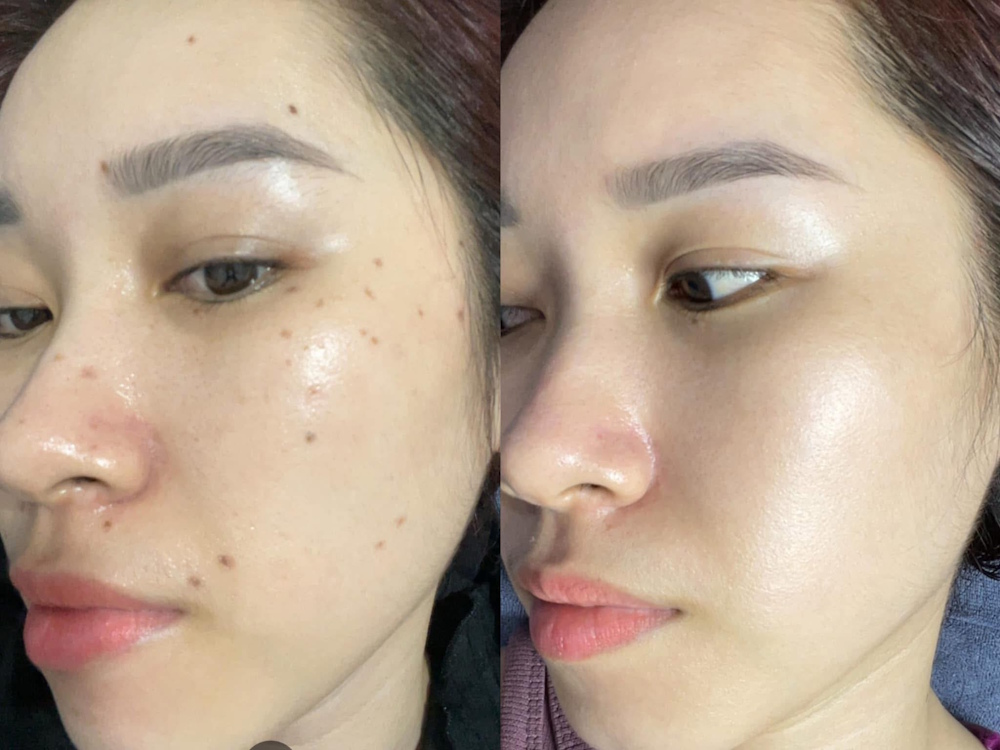
A newer, non-surgical method, plasma mole removal uses advanced plasma technology to vaporize the mole’s tissue. This technique is gaining popularity for its precision, minimal invasiveness, and quick recovery time, which we’ll explore in detail below.
WHAT IS PLASMA MOLE REMOVAL AND HOW DOES IT WORK?
Plasma mole removal is a cutting-edge, non-invasive procedure that uses a plasma pen device to remove moles. The plasma pen generates a small electrical arc at its tip, which heats the skin and turns the mole’s solid tissue into gas through a process called sublimation. This eliminates the mole without cutting or damaging surrounding skin, making it a highly precise treatment.
The Procedure
Here’s what you can expect during a plasma mole removal session:
- Consultation and Assessment: A dermatologist evaluates the mole to confirm it’s benign and suitable for plasma removal. This step is crucial to rule out any cancerous growths.
- Numbing the Area: A topical anesthetic cream is applied to ensure comfort during the procedure.
- Plasma Pen Application: The dermatologist uses the plasma pen to create controlled micro-injuries on the mole’s surface. The plasma energy vaporizes the mole, leaving the surrounding skin intact.
- Post-Treatment Care: A small scab forms over the treated area, which naturally falls off as the skin heals, revealing smooth, healthy skin underneath.
The entire process typically takes 5–15 minutes per mole, depending on its size and location, and requires minimal downtime.
BENEFITS OF PLASMA MOLE REMOVAL
Plasma mole removal has quickly become a preferred choice for many due to its numerous advantages:
Minimally Invasive
Unlike surgical methods, plasma mole removal doesn’t involve cutting or stitches, reducing the risk of scarring and infection. The procedure is gentle on the skin, making it ideal for sensitive areas like the face.
Quick and Convenient
Most sessions are completed in a single visit, with immediate results. Patients can return to their daily activities shortly after, with minimal disruption.
Precision and Minimal Scarring
The plasma pen’s targeted energy ensures only the mole is affected, preserving surrounding healthy skin. This precision minimizes scarring, making it a great option for cosmetic mole removal.
Versatility
Plasma mole removal can be used on various parts of the body, including the face, neck, arms, and back. It’s effective for small, benign moles and other skin imperfections like skin tags.
Minimal Discomfort
With topical anesthesia, patients experience little to no pain during the procedure, often describing it as a mild tingling or warming sensation.

RISKS AND SAFETY CONSIDERATIONS
While plasma mole removal is generally safe, it’s important to be aware of potential risks and take precautions to ensure optimal outcomes:
Potential Risks
- Infection: Improper aftercare can lead to bacterial infections, though this is rare with proper wound care.
- Pigmentation Changes: Some individuals, especially those with darker skin tones, may experience hyperpigmentation (darkening) or hypopigmentation (lightening) in the treated area.
- Incomplete Removal: If the plasma energy doesn’t penetrate deeply enough, the mole may partially remain, requiring additional sessions.
- Scarring: While rare, overtreatment or improper technique can cause minor scarring or damage to surrounding skin.
Safety Precautions
- Professional Evaluation: Always consult a qualified dermatologist to confirm the mole is benign before removal. Suspicious moles should be biopsied rather than treated with plasma.
- Skilled Practitioner: Choose a licensed professional with experience in plasma mole removal to ensure safe and effective results.
- Skin Type Considerations: Individuals with darker skin tones should discuss potential pigmentation risks with their dermatologist.
AFTERCARE AND HEALING PROCESS
Proper aftercare is essential to promote healing and minimize complications after plasma mole removal. Here’s what to expect and how to care for the treated area:
Healing Timeline
- Immediately After: The treated area may feel tender, with mild redness or swelling. A small scab forms over the site.
- Days 1–7: The scab protects the healing skin underneath. Avoid picking or scratching to prevent scarring.
- Weeks 1–2: The scab naturally falls off, revealing new, healthy skin. The area may appear slightly pink but will gradually blend with surrounding skin.
- Weeks 4–6: The skin fully heals, with minimal to no visible scarring in most cases.
Aftercare Tips
- Keep the Area Clean: Gently clean the treated area with a mild cleanser and water to prevent infection.
- Avoid Sun Exposure: Apply a high-SPF sunscreen (SPF 30 or higher) to protect the sensitive skin from UV damage.
- Moisturize: Use a gentle, hydrating ointment like Vaseline or Aquaphor to keep the area moist and support healing.
- Avoid Makeup: Refrain from applying makeup or skincare products to the treated area until the scab falls off, typically 7–10 days.
- Follow-Up: Attend any recommended follow-up appointments to monitor healing and address any concerns.
FREQUENTLY ASKED QUESTIONS
Is plasma mole removal painful?
With topical anesthesia, the procedure is generally painless, with most patients experiencing only mild discomfort, such as a tingling sensation.
How long does it take to see results?
Results are visible immediately after the procedure, though full healing takes 1–2 weeks as the scab falls off and new skin forms.
Can plasma mole removal treat all types of moles?
Plasma mole removal is best suited for small, benign moles. Suspicious or deeper moles may require surgical excision for biopsy.
Will there be a scar?
Scarring is minimal with plasma mole removal due to its precision. Proper aftercare further reduces the risk of visible scars.
How many sessions are needed?
Most moles are removed in a single session, but larger or deeper moles may require additional treatments.

COMPARISON WITH OTHER MOLE REMOVAL METHODS
To help you decide if plasma mole removal is right for you, here’s how it compares to other common methods:
| Method | Invasiveness | Downtime | Scarring Risk | Best For |
| Plasma Mole Removal | Minimally invasive | Minimal (1–2 weeks) | Low | Small, benign moles, cosmetic |
| Surgical Excision | Invasive | 2–4 weeks | Moderate | Deep or suspicious moles |
| Shave Excision | Moderately invasive | 1–2 weeks | Low to moderate | Raised, benign moles |
| Laser Removal | Non-invasive | Minimal (1–2 weeks) | Low | Small, flat moles |
| Cryotherapy | Non-invasive | 1–3 weeks | Low to moderate | Superficial moles, skin tags |
Plasma mole removal stands out for its balance of minimal invasiveness, quick recovery, and low scarring risk, making it ideal for cosmetic purposes. However, surgical excision is preferred for potentially cancerous moles, while laser and cryotherapy may suit specific mole types or patient preferences.
WHY CHOOSE AIDEN BEAUTY SPA & CLINIC IN VIETNAM FOR PLASMA MOLE REMOVAL?
If you’re considering plasma mole removal, Aiden Beauty Spa & Clinic in Vietnam offers a trusted, professional, and personalized experience. Here’s why:
Expert Care by Dr. Thanh Duy
At Aiden Beauty Spa & Clinic, every plasma mole removal procedure is performed by Dermatologist Dr. Thanh Duy, a highly skilled specialist with extensive experience in aesthetic treatments. Dr. Duy conducts thorough consultations to assess your moles, ensuring they are safe for removal and tailoring the procedure to your unique needs.
Personalized and Professional Service
We understand that every patient’s skin is different. Our team provides individualized care, from initial consultation to post-treatment follow-up, ensuring you feel confident and supported throughout your journey.
Safe, Minimally Invasive, and Effective
Our state-of-the-art plasma pen technology delivers precise, effective results with minimal discomfort and downtime. We prioritize safety, using only proven techniques and adhering to strict hygiene standards.
Trusted and Highly Rated
Aiden Beauty Spa & Clinic is a leading name in Vietnam’s aesthetic industry, known for its commitment to excellence and client satisfaction. Our patients consistently praise our professional care and outstanding results.
Book Your Appointment Today
Ready to say goodbye to unwanted moles and hello to smoother, more confident skin? Contact Aiden Beauty Spa & Clinic to schedule a consultation with Dr. Thanh Duy. Call us or visit our website to book your appointment and discover the transformative power of plasma mole removal.