

Melasma is one of the most challenging skin pigmentation conditions to manage, often appearing as brown or gray-brown patches on the cheeks, forehead, upper lip, and other areas of the face. For individuals seeking Effective laser treatment for melasma, modern laser technology offers an advanced approach to improving uneven skin tone, reducing the appearance of pigmentation, and restoring a brighter, more even complexion. At Aiden Beauty Spa & Clinic, laser-based pigmentation treatments are combined with dermatologist-led treatment protocols to provide personalized care based on each client’s skin condition, pigmentation depth, and treatment goals.
Understanding the causes of melasma and choosing an appropriate treatment strategy are essential steps toward achieving visible and sustainable improvements. Rather than relying on a single procedure, a carefully designed treatment plan can help address pigmentation while minimizing the risk of irritation and recurrence.
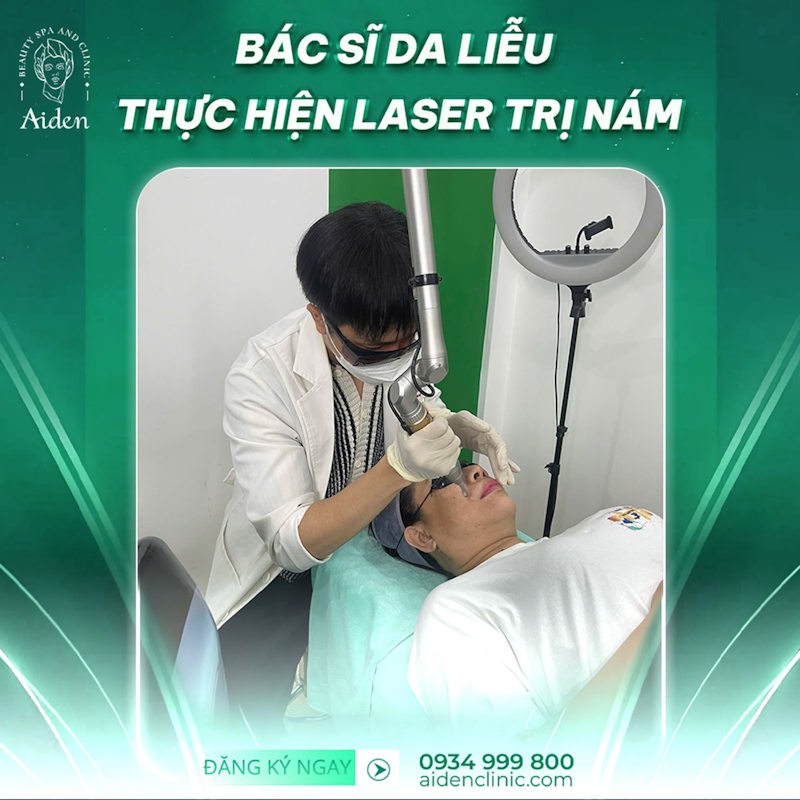
WHAT IS MELASMA AND WHY DOES IT DEVELOP?
Melasma is a common acquired pigmentation disorder characterized by irregular patches of excess melanin, the natural pigment responsible for skin color. It most frequently affects the face and is more common in women, particularly those with darker skin phototypes.
Although melasma is not a dangerous condition, it can be persistent and may affect a person’s confidence and quality of life.
Common Causes of Melasma
Melasma develops through a combination of genetic, hormonal, environmental, and skin-related factors. Common contributing factors include:
Sun exposure: Ultraviolet (UV) radiation stimulates melanocytes, the cells responsible for producing melanin. Repeated exposure can worsen existing pigmentation and trigger new patches.
Hormonal changes: Pregnancy, hormonal contraceptives, and other hormonal fluctuations may contribute to melasma in susceptible individuals.
Genetic predisposition: A family history of melasma can increase the likelihood of developing the condition.
Visible light and heat: Sunlight, particularly visible light, can aggravate pigmentation in some skin types. Heat may also contribute to worsening melasma in certain individuals.
Skin inflammation: Irritation, aggressive exfoliation, and unsuitable cosmetic procedures may trigger post-inflammatory hyperpigmentation or aggravate existing pigmentation.
Identifying these contributing factors allows dermatologists to develop a treatment plan that addresses more than the visible discoloration.

EFFECTIVE LASER TREATMENT FOR MELASMA: HOW DOES IT WORK?
Laser technology has become an important option in modern pigmentation management. However, not every laser is suitable for every type of melasma. Treatment selection depends on pigmentation depth, skin tone, previous treatments, sensitivity, and the risk of post-inflammatory hyperpigmentation.
Laser procedures work by delivering controlled light energy to targeted pigment structures in the skin. Depending on the technology and settings used, this energy can fragment excess melanin into smaller particles, which are gradually cleared through the body’s natural processes.
How Laser Technology Targets Melanin
Different laser systems operate at different wavelengths and pulse durations. These characteristics influence how energy interacts with melanin and surrounding skin structures.
Some commonly used technologies in pigmentation management include:
Q-switched lasers: Deliver short, high-energy pulses that target pigment particles. Certain Q-switched systems may be considered for selected cases of melasma.
Picosecond lasers: Deliver ultra-short pulses that can produce a photoacoustic effect, helping break down pigment with limited thermal diffusion under appropriate treatment conditions.
Fractional laser technology: Creates controlled microscopic treatment zones to stimulate skin remodeling. Certain fractional systems may be used as part of a combination approach in carefully selected patients.
The effectiveness and safety of these technologies vary. Melasma can relapse after laser treatment, and excessive energy or inappropriate treatment intervals may worsen pigmentation. For this reason, professional assessment and conservative treatment settings are particularly important.
Benefits of Laser-Based Melasma Treatment
When appropriately selected and performed, laser treatment may offer several potential benefits:
- Helps reduce the visible appearance of selected pigmentation.
- Supports a more even-looking skin tone.
- Can be incorporated into a broader pigmentation management plan.
- Offers targeted treatment options for specific pigmentation patterns.
- May complement topical skincare and other dermatologist-recommended procedures.
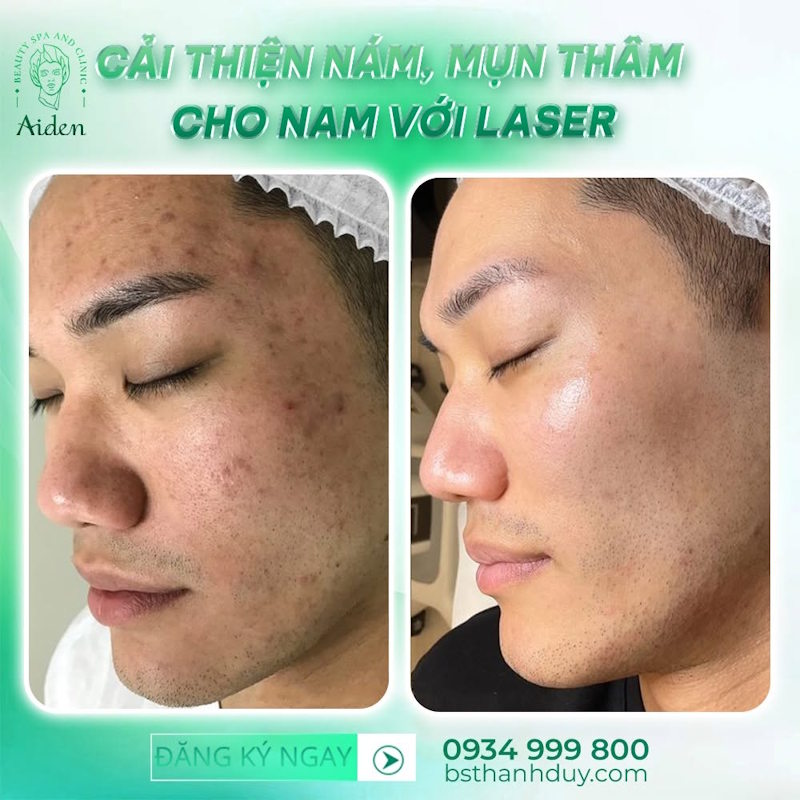
Results are individual. Some clients may notice gradual improvements after a series of sessions, while others may require a different approach or a combination of treatments.
WHY DERMATOLOGIST-LED TREATMENT MATTERS
Melasma is a complex and recurrent condition. A procedure that improves pigmentation in one individual may not be appropriate for another. This is why professional evaluation is an essential part of any laser treatment journey.
At Aiden Beauty Spa & Clinic, pigmentation treatment follows dermatologist-led protocols designed around the client’s skin characteristics and treatment needs.
Personalized Skin Assessment
Before treatment, a dermatologist evaluates the skin to understand the type, distribution, and severity of pigmentation. The assessment may consider:
- The location and appearance of melasma patches.
- Skin phototype and sensitivity.
- Possible hormonal and environmental triggers.
- Previous laser procedures and skincare treatments.
- History of irritation or post-inflammatory hyperpigmentation.
- The client’s expectations and suitability for laser treatment.
This assessment helps determine whether laser treatment is appropriate or whether topical therapy and other options should be considered first.
A Customized Treatment Protocol
A personalized treatment plan may include a combination of professional procedures and home skincare. Depending on the diagnosis, the dermatologist may recommend:
Skin preparation: Establishing a suitable skincare routine and addressing irritation before considering laser procedures.
Laser treatment selection: Choosing an appropriate technology, wavelength, energy level, and treatment interval based on individual skin characteristics.
Post-treatment care: Supporting the skin barrier and minimizing irritation during recovery.
Pigmentation maintenance: Incorporating sun protection and dermatologist-recommended topical products to help maintain improvements.
Follow-up assessment: Monitoring the skin’s response and adjusting the treatment plan when necessary.
The number of sessions and the interval between them depend on the individual’s response and the selected technology. A fixed number of treatments cannot be guaranteed for every case.
THE LASER TREATMENT EXPERIENCE AT AIDEN BEAUTY SPA & CLINIC
Aiden Beauty Spa & Clinic is one of the aesthetic care destinations applying modern laser technologies in pigmentation management. With dermatologist-led treatment protocols, the clinic focuses on individualized skin assessment, technology selection, and ongoing care.
The goal is to provide a structured treatment experience that considers both visible pigmentation and long-term skin health.
Advanced Laser Technology for Pigmentation
Laser technology can offer targeted options for managing selected forms of pigmentation. At Aiden Beauty Spa & Clinic, the choice of technology and treatment settings is guided by professional assessment rather than a one-size-fits-all approach.
The treatment strategy takes into account the skin’s condition, sensitivity, pigmentation characteristics, and tolerance. This helps the treating professional determine an appropriate approach while considering the possibility of irritation, temporary redness, or pigment changes.
Professional Care and Individualized Protocols
Every skin type responds differently to laser energy. A treatment protocol designed for one client may need to be modified for another, particularly when treating melasma in skin types that are more prone to post-inflammatory hyperpigmentation.
Dermatologist-led care helps guide treatment decisions, monitor the skin’s response, and determine when adjustments are necessary. Clients also receive guidance on appropriate skincare and sun protection to support the treatment process.

HOW TO PREPARE FOR LASER MELASMA TREATMENT
Proper preparation can help reduce avoidable irritation and support a safer treatment experience. Before undergoing a laser procedure, clients should follow the treating dermatologist’s instructions.
Before Your Appointment
Consider these general preparation steps:
Avoid excessive sun exposure and tanning before treatment.
Use broad-spectrum sunscreen regularly.
Inform the dermatologist about medications, skincare products, and previous cosmetic procedures.
Disclose any history of cold sores, skin sensitivity, or unusual reactions to previous treatments.
Avoid introducing strong exfoliating products or irritating skincare ingredients unless approved by the treating professional.
Follow any specific pre-treatment instructions provided by the clinic.
If the skin is irritated, sunburned, or experiencing an active skin condition, the procedure may need to be postponed.
What to Expect During Treatment
The exact experience depends on the laser system and treatment area. The skin is typically cleansed before the procedure, and protective eyewear is used to safeguard the eyes.
Some individuals experience a mild snapping sensation, warmth, or temporary discomfort during treatment. The duration varies according to the area being treated and the technology selected.
After the procedure, temporary redness, mild swelling, or sensitivity may occur. The treating professional will explain what reactions are expected and which symptoms require medical attention.
POST-LASER CARE: MAINTAINING YOUR RESULTS
Aftercare plays an important role in supporting the skin barrier and reducing the risk of pigmentation worsening. Melasma is a chronic, recurrent condition, so maintaining improvements requires ongoing care even after visible pigmentation has faded.
Essential Skincare After Laser Treatment
A dermatologist may recommend the following measures, depending on the procedure and the skin’s recovery:
- Daily sun protection: Apply broad-spectrum sunscreen with SPF 30 or higher, and reapply as directed, especially when spending time outdoors.
- Gentle cleansing: Use a mild cleanser that does not strip or irritate the skin.
- Moisturization: Choose suitable moisturizers to support skin hydration and barrier recovery.
- Avoiding irritation: Temporarily pause strong exfoliants, retinoids, or other active ingredients if instructed by the dermatologist.
- Consistent follow-up: Attend recommended appointments so the skin’s response can be evaluated.
Tinted sunscreens containing iron oxides may provide additional protection against visible light, which can be relevant for some individuals with melasma.
Why Melasma May Return
Even after successful treatment, melasma may reappear because its underlying triggers can remain active. Sun exposure, hormonal influences, genetic susceptibility, and skin inflammation may contribute to recurrence.
For this reason, long-term management often involves a combination of sun protection, maintenance skincare, and periodic professional assessment rather than relying on laser procedures alone.
FREQUENTLY ASKED QUESTIONS ABOUT LASER TREATMENT FOR MELASMA
Is Laser Treatment Effective for Melasma?
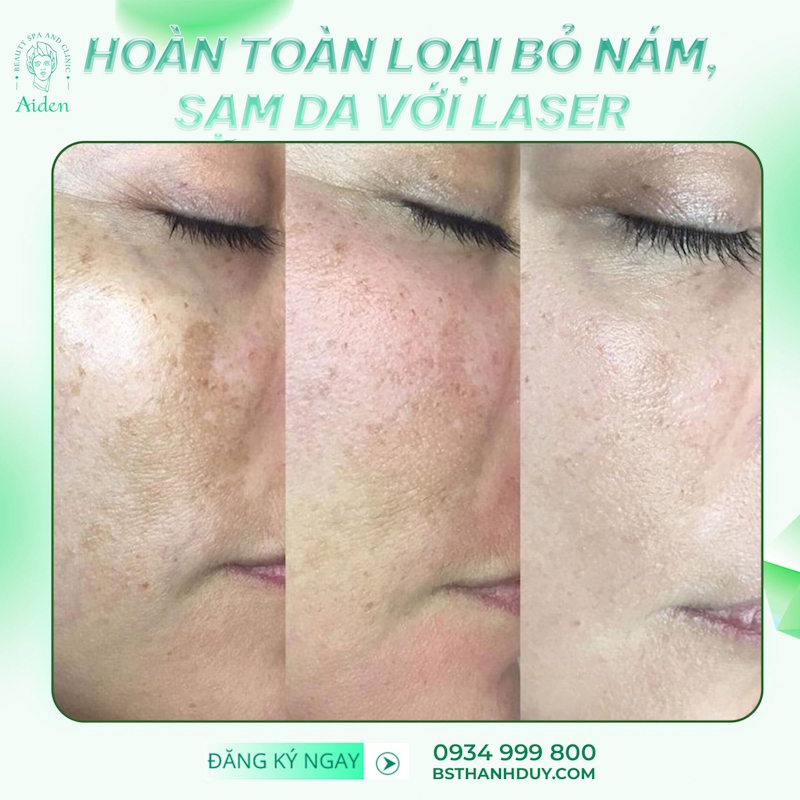
Laser treatment may help reduce the appearance of melasma in selected individuals. Its effectiveness depends on the type and depth of pigmentation, skin phototype, laser technology, treatment settings, and complementary skincare. It is not a guaranteed cure, and some cases may respond better to topical treatments or combination therapy.
How Many Laser Sessions Are Needed?
There is no universal number of sessions for melasma. Some individuals may benefit from a limited series of treatments, while others may require alternative approaches. The treating dermatologist determines the appropriate schedule based on the skin’s response and the risk of adverse effects.
Is Laser Treatment Safe for All Skin Types?
Laser treatment is not equally suitable for every skin type or pigmentation condition. Individuals with darker skin tones may have a higher risk of post-inflammatory hyperpigmentation with certain laser settings. A professional skin assessment is necessary to determine whether a particular procedure is appropriate.
Can Melasma Disappear Permanently After Laser Treatment?
Melasma is a chronic condition that can recur even after visible improvement. Laser treatment may help manage pigmentation, but permanent clearance cannot be promised. Consistent sun protection, appropriate skincare, and follow-up care are important for maintaining results.
Can Laser Treatment Be Combined With Other Melasma Treatments?
Yes. Depending on the diagnosis, a dermatologist may recommend combining laser procedures with topical depigmenting agents, barrier-supporting skincare, or other professional treatments. The combination must be carefully planned to minimize irritation and the risk of worsening pigmentation.
DISCOVER PERSONALIZED MELASMA CARE AT AIDEN BEAUTY SPA & CLINIC
Choosing an appropriate approach to melasma begins with understanding your skin. Modern laser technology offers additional options for managing pigmentation, but safe and sustainable care requires more than selecting a device. Accurate assessment, suitable treatment settings, consistent aftercare, and long-term sun protection all contribute to the overall treatment strategy.
At Aiden Beauty Spa & Clinic, laser-based pigmentation management is supported by dermatologist-led treatment protocols and individualized care. Whether you are experiencing newly developed pigmentation or long-standing melasma, a professional consultation can help clarify your options and determine a treatment plan suited to your skin.
For individuals looking for Effective laser treatment for melasma, the first step is a personalized skin evaluation to understand the condition, discuss realistic expectations, and explore suitable treatment options.
Aiden Beauty Spa & Clinic
Personalized aesthetic care. Professional skin assessment. Advanced laser technology.